
Reflections on work, life, and the little things that make a difference.
This column looks beyond ordinary moments to explore the ideas and reflections they sometimes inspire. It doesn’t claim to have the answers but hopes to offer a fresh perspective and perhaps a little calm along the way.
WHEN TRYING HARDER ISN’T THE ANSWER
Last month, a former learner contacted me because they were having trouble restoring their WhatsApp messages on a new phone.
What caught my attention though was their worry that they were somehow disappointing me by still being unable to manage something like this on their own. I found that rather revealing because here was someone who had come a long way in learning to use technology.
But when we worked through the problem together, I realised that they had actually done everything quite sensibly. They had followed the right steps, checked what was happening and tried different ways to resolve the issue. In fact, they were troubleshooting rather expertly. Eventually, we discovered that WhatsApp was restoring an older backup of their messages instead of the latest one. Because of this, a fresh backup from the old phone was needed to put things right.
Ultimately, the problem wasn’t their lack of ability but the technology not behaving as expected. I wondered then whether the most useful thing wasn’t so much the restored messages but in helping the learner recognise that they had been doing the right things all along. In reality, they didn’t need to become better at using technology but just needed to understand what was actually going wrong (which was beyond their control).
A Thought to Carry With Us?
This got me thinking about how easily we can turn a problem into a judgement about ourselves. When something doesn’t work despite our efforts, it can be tempting to conclude that we haven’t tried hard enough or simply aren’t good at whatever we’re attempting.
But not every obstacle is evidence of something lacking in us. Looking back, I realise the learner had already developed the very skills they were questioning. The difficulty was real but their explanation for it was mistaken.
And perhaps this happens beyond technology, too? We might blame ourselves for a delayed response, an unsuccessful application or a plan that hasn’t worked out, without knowing everything that contributed to the outcome.
There is a difference between accepting responsibility for what we can do and taking the blame for things we cannot control. Perhaps the challenge isn’t always to try harder but to look more carefully at where the problem actually lies. Because once we understand what isn’t within our control, we may be better-placed to recognise what is.
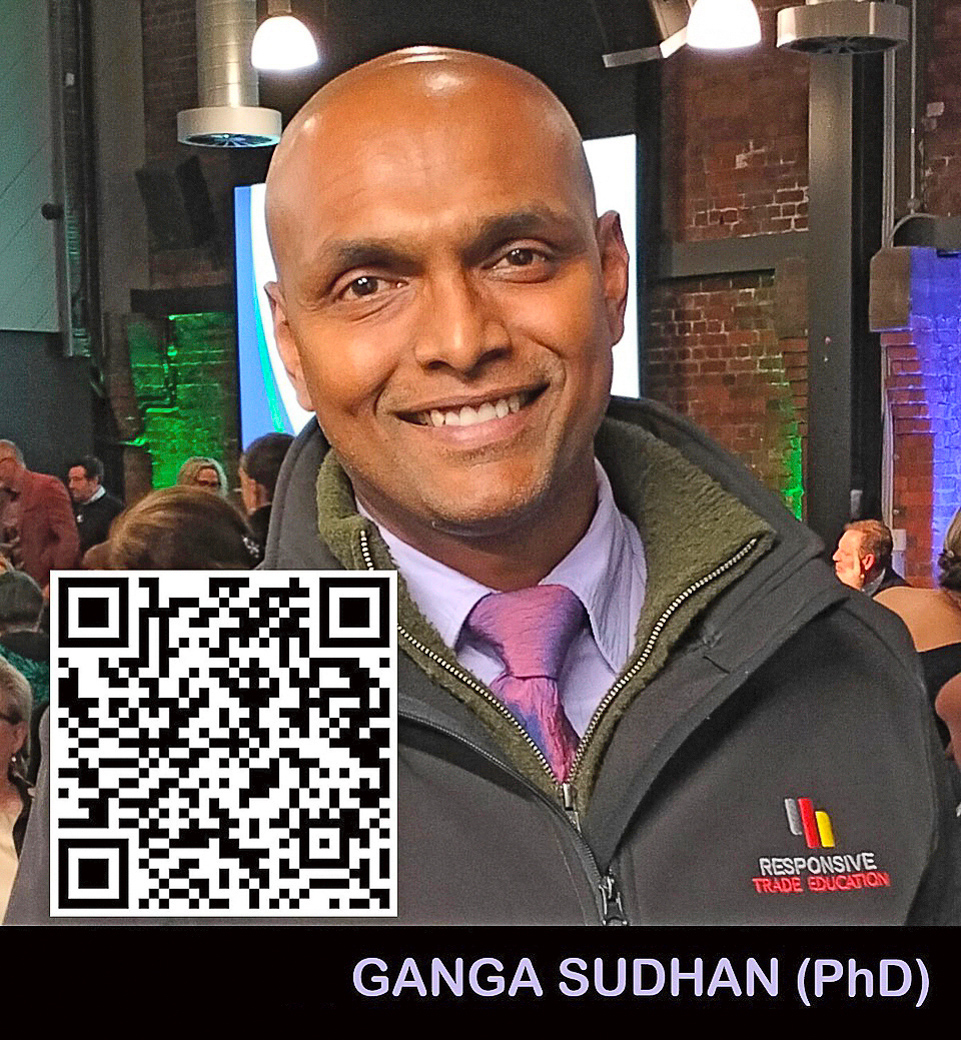
Ganga enjoys finding small insights in everyday moments and sharing them as reflections on work, life and the in-betweens. He also empowers individuals through customised digital literacy courses at community houses across Hamilton, Ngaaruawaahia and Huntly. You can reach him at ganga@rte.co.nz or find him on LinkedIn via the QR Code