Reflections on work, life, and the little things that make a difference
This column reflects on everyday moments that sometimes reveal something more – finding meaning in ordinary experiences and making room for a different perspective. It doesn’t claim to offer answers but hopes to bring a little perspective and perhaps some calm.
BORROW MY BELIEF UNTIL YOU BELIEVE IT TOO
T
here is a statement I hear surprisingly often when someone begins one of my tablet learning courses – it goes something like “You’re going to have a hard time with me” and often comes with an apologetic laugh that says the person has already decided that technology and they are unlikely to get along.
I usually don’t believe them though, but not because I think the learning will necessarily be easy. After all, a lot of my learners genuinely struggle to remember passwords, navigate unfamiliar screens or understand what different buttons actually do – something that takes another person thirty seconds might take them ten minutes.
But I always begin with an unshakeable expectation that eventually they will be able to use technology in ways that genuinely matter to them. So, I wait and we try again and again. I resist taking the device from their hands and doing it for them. And when the difficult thing becomes comfortable, we move on to something slightly harder.
Eventually, the person who once needed help with almost every step begins doing things independently. And then, another statement will reveal itself along the lines of “I never thought I could do this”. And I’ve realised that my quiet response has always been, “well, I never had a doubt”, because I simply never saw their difficulty at the beginning as evidence of where they had to end up.
A Thought to Carry With Us?
Seeing this happen repeatedly has made me wonder whether sometimes we need someone else to believe something about us before we are quite ready to believe it ourselves.
When I expect a learner to eventually succeed, I probably behave differently towards them. I let them struggle without treating the struggle as failure. And eventually, when they begin to succeed, they have their own evidence. They remember the password, navigate the screen and complete actions without asking for help. And little by little, “I’m hopeless with technology” becomes harder for them to believe.
I also wonder if this happens in other parts of life, too. Sometimes the person in front of us cannot yet see what we can see in them. And in those instances, maybe they can borrow our belief for a while – just long enough to gather enough evidence to believe it themselves.
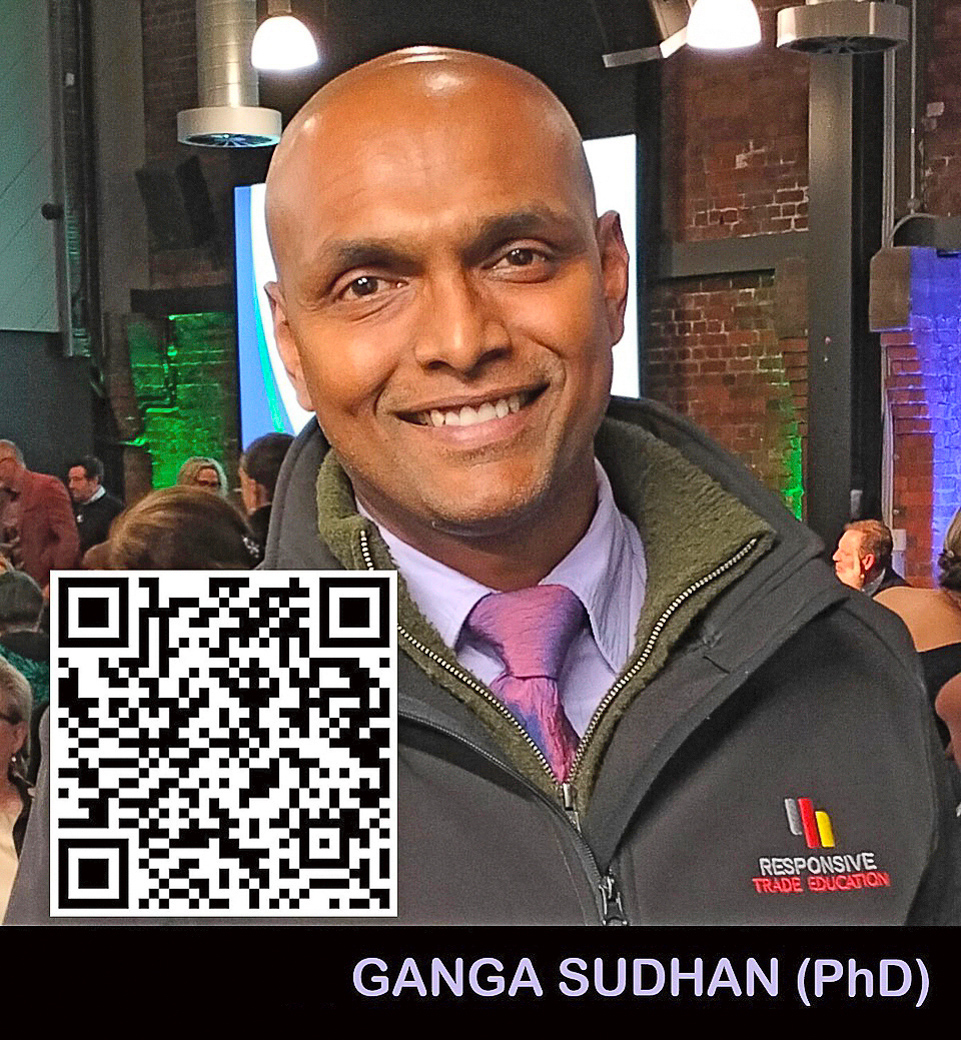
Ganga enjoys finding small insights in everyday moments and sharing them as reflections on work, life and the in-betweens. He also empowers individuals through customised digital literacy courses at community houses across Hamilton, Ngaaruawaahia and Huntly.
You can reach him at ganga@rte.co.nz or find him on LinkedIn via the QR Code.