At our October Waikato District Council meeting, a recommendation for Council to adopt the 2025/26 Annual Report and Annual Report Summary, subject to the final audit process, was sought.
On page four of the report, it was stated that our “total other comprehensive revenue and expense was $600.3 million, exceeding budget by $552 million” and that “this variance was principally attributable to revaluation gains arising from the annual valuation of Council’s infrastructure assets.” On paper these gains look and might seem impressive however, these are paper gains, not actual cash in the bank.
The gains demonstrate that as a Council we are tracking our assets and investing money, and are looking after our assets through, for example, our ongoing renewals and maintenance program. Unfortunately, however, it also means a corresponding increase in future depreciation costs The challenge therefore is striking the right balance between the balance sheet numbers and real affordability.
Our financial reality potentially forces a high-risk trade-off; can we sweat our assets to cut depreciation costs now, at the risk of future renewal and maintenance costs? With millions already tied up in unstoppable in-flight projects, we must be honest with ourselves in our forthcoming LTP workshops. We cannot afford new spends, nor in the long-term, can we afford to cut depreciation costs, at least not drastically. Our immediate focus must be reviewing and prioritising our current commitments. It’s complex.
Waikato District Council Chief Executive Craig Hobbs has resigned which took effect Friday 30 October.
Having taken up the role 18 months ago, Craig arrived with a clear mandate for change; instigated a full review of the operating model and established ways of working, with the goal of bringing the organisation to a stronger and future-ready place.
Under his leadership, milestone achievements include holding rates below 4 percent; maintaining Council’s AA+ credit rating; realising significant and sustainable contract savings; and achieving an operating surplus of $26 million.
Accomplishments also include standing up IAWAI – Flowing Waters, New Zealand’s first waters CCO with Hamilton City Council, and together with Mayor Aksel, taking the lead in navigating the HeadStart programme of work to a successful proposal. In addition, the Council has achieved 91% of its key performance indicators for 2025 – 26.
On behalf of Council, Mayor Aksel accepted Craig’s resignation noting the CE’s commitment to his work, in challenging and complex times, with a reform tsunami from central government adding more weight to the already demanding role of a Chief Executive. Craig has achieved several important milestones, taken care of the wider Council team and our communities – we wish Craig well in his future endeavours.
For the past year, on behalf of the Te Kauwhata Community Committee (“TKCC”) and community at large, I have advocated for NZTA to take responsibility for their assets at the interchange into our community. Members of the TKCC, led by Chair Hinton and Deputy Chair Van de Munckhof, decided we would take matters into our own hands and start working on our beautification plan, in a committee-led council-supported initiative.
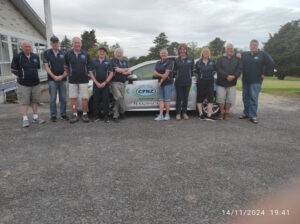
On Saturday 10 October, a few of us were out there clearing out the debris from the roundabout and the rubbish from the on and off ramps. Grateful for our hands on committee members, Chair Tim Hinton, DC Angela, Hadyn Solomon, Derek Peel and Courtney Howells. Your attendance and efforts were greatly appreciated.
Thanks also to Chief Glen Whitaker of the Te Kauwhata Volunteer Fire Brigade for supporting our working bee. Keep an eye out for the details for our next working bee, we’d love to have you join us.
If you have a council related concern, please feel free to contact me either by email at marlene.raumati@waidc.govt.nz or by phone on 020 – 40012548
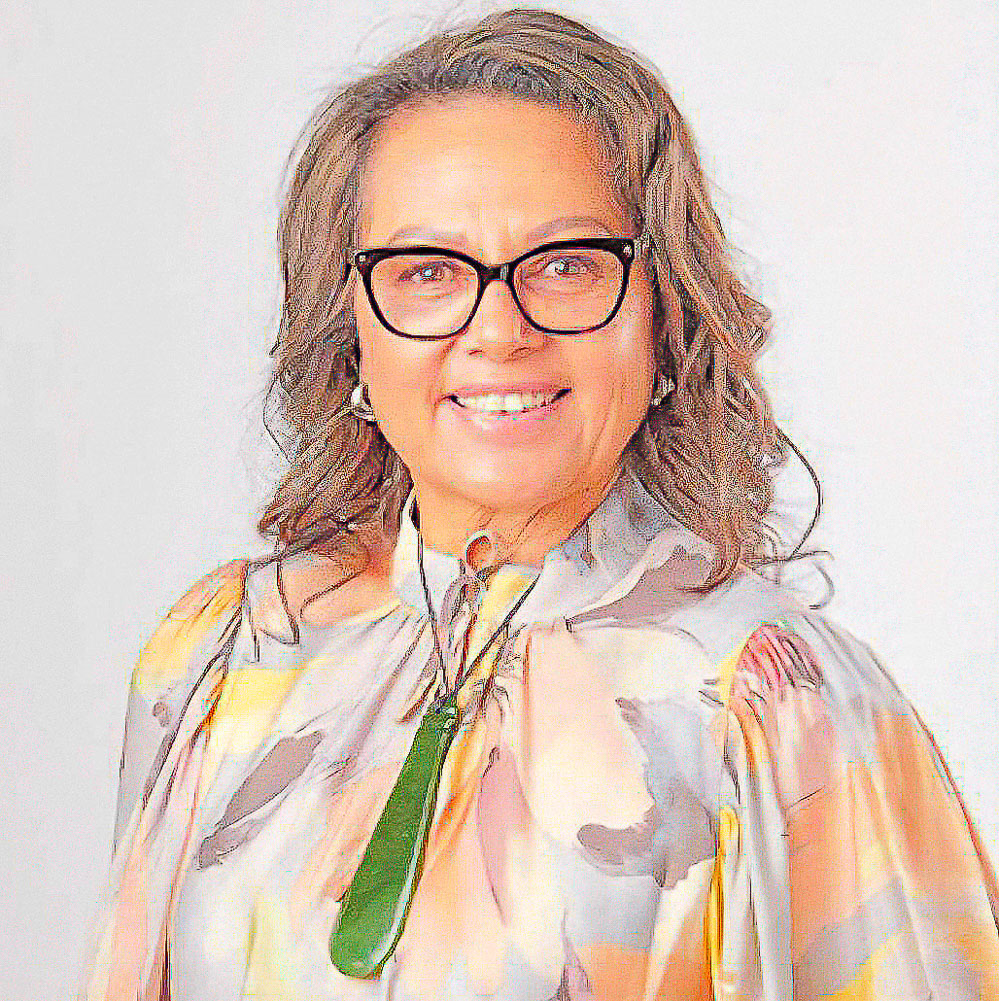
Marlene Raumati
Councillor Waerenga-Whitikahu