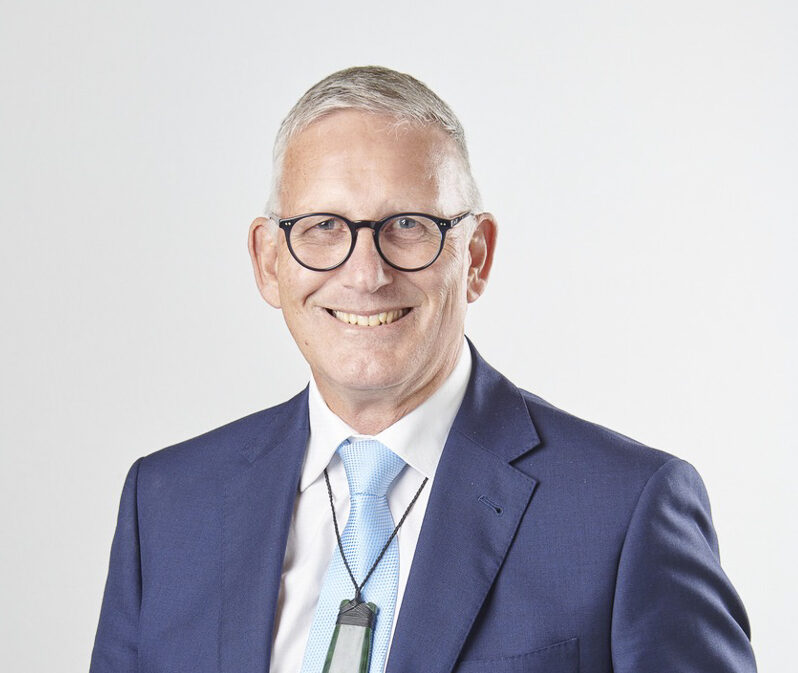
The Chatter quizzes Waikato District Council CEO on his first year in the role and what he plans next. Expect ‘leaner, smarter, better and affordable’.
You’re relatively new into the job as CEO of the council; briefly where did you come from, and why WDC?
I ticked over 12 months as CEO early February; previously I had 5.5 years with Auckland Council mainly as Director of Regulatory Services. This covered all of council’s compliance monitoring and enforcement; everything from Resource and Building Consents, Animal Management, Environmental Health and Alcohol Licensing.
When Regulatory Services restructured and disbanded mid-2024, I contracted back to Auckland Council supporting the Recovery (2023 weather events) Office plus other work,
I applied to Waikato District Council because it’s a large complex provincial council with significant growth pressure. This means balancing rapid development in many areas, with longterm infrastructure planning, service delivery, and community expectations. But it’s coming at a time where government reform is pushing councils to do more with less, address affordability and consider regional structuring.
This is the sort of challenge I enjoy; there is never a dull moment. We know the council touches residents’ lives every day and doing this effectively and efficiently is a responsibility I take extremely seriously.
The Mayor and the CEO- who does what?
The mayor is the civic leader of the Waikato District, elected publicly by the district with responsibility to lead the 13 elected councillors in their duties. The mayor sets the committee structure and appoints the deputy mayor and committee chairs.
The time commitment required as Mayor and the duties with council to determine the strategic direction for the district into the future is extremely demanding.
The Mayor and Council appoint the Chief Executive. I’m actually the only employee appointed by the mayor and councillors, and I’m responsible for recruiting and leading all staff. My role is to appoint staff, as well as being accountable for making sure we deliver work programmes – set by Councillors through the 10-year Long Term Plan – on time and within budget.
The biggest challenge you’ve faced so far?
The biggest (and on-going) challenge so far at WDC is balancing many competing priorities. My newly established and smaller lead team and I are transforming the business to a more commercial focus, to become leaner, agile, more customer responsive and cost affordable.
This coincides with government legislation impacting what we do and the way we do it. Like the rest of NZ, Waikato District has fallen behind in investing in core infrastructure.
We cannot afford to fix this quickly, so we need to invest very carefully in the right areas for population and economic growth. And that comes at a time when a rates cap is likely to be imposed, which will impact what we are able to deliver and when.
Council gets a lot of flak; what are your thoughts?
We do get things wrong occasionally and the transformation programme is a testament to my desire for us to be a smarter and better organisation. I know that people who work for WDC are fully committed to the district and delivering better for our residents.
I am biased, but I do believe council gets flak that is often undeserved. Most of the services that we provide go unnoticed, as they operate very effectively. We look after roads, parks and reserves, libraries, and make sure we can reliably deliver household water, and take away and safely treat sewerage, plus the other 200+ services and activities we undertake. Unfortunately, when these critical services fail, as they do from time to time, it is very obvious.
Hottest issue that keeps you up at night?
Keyboard warriors on social media who contribute nothing of value to our district but constantly criticise our elected officials and my kaimahi with little or no substance.
The time and commitment our elected members, including community board and committee members, give to make the district a better place cannot be understated. The same applies to WDC staff who often could be earning more in the private sector but have a social gene that wants to contribute to our communities.
Unlike income tax, rates are a grudge purchase for folk; can they become affordable?
I believe that you get far greater value for your rates than you do from taxes, but your rates are more confronting as they come in a bill whereas your taxes are taken before you see money in your hand (PAYE, GST, etc).
Council’s services are critical, but we know affordability is a major issue. How do we fix it? By becoming more effective and efficient in delivering those services through technology and process improvement, and balancing needs against ‘wants and wishes’. We simply can’t deliver everything to please everyone.
Another cost saving action is the mayor’s wish for communities to make their own decisions on spend in their areas, according to its needs. But (again the balancing act) we can’t put off infrastructure investment indefinitely and create issues for future generations.
This time next year- what will be different?
Restructure will focus on delivering core services as effectively and efficiently as possible. You’ll see consistent, highquality customer service. Evidencebased business decisions will point to where we spend your money. We want residents to clearly see value and have confidence that rates are being used wisely and well.
Spare time- is there any for a CEO of a large council?
A little! I’ve been involved in hockey all my life and still playing competitively at Masters’ level. I tend to work reasonably long hours during the week, so I spend as much time as I can with family on weekends and try to switch off from work when I am with them.
By Claire Simpson