If you think filling in your NZ arrival card has too many questions, spare a thought for the trickle of immigrants nearly 100 years ago, facing a curious restriction banning incoming settlers deemed to be “ Idiots or insane persons’ or ‘suffering from contagious diseases which are loathsome or dangerous’).
Despite this now-antiquated hurdle, NZ was growing fast through immigration and in the early 1930s had reached the heady population of almost 1.5m (including those in the Pacific Islands including Samoa, the Tokelau’s and Cook Islands).
At that time, Te Kauwhata was also continuing to grow; a thriving agricultural and horticultural village which used the rail line to send wheat, wood and crops to the fast-growing Auckland town. Thirty years earlier, Its Rongopai winery had sent wine to the Paris wine show, snapping up gold awards for the ‘colonies’.
Te Kauwhata’s early residents were a hardy lot. They were also rather religious and the small village’s original – and still operational – three churches have now notched up more than 250 combined years of worship and still going strong.
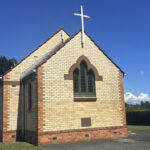
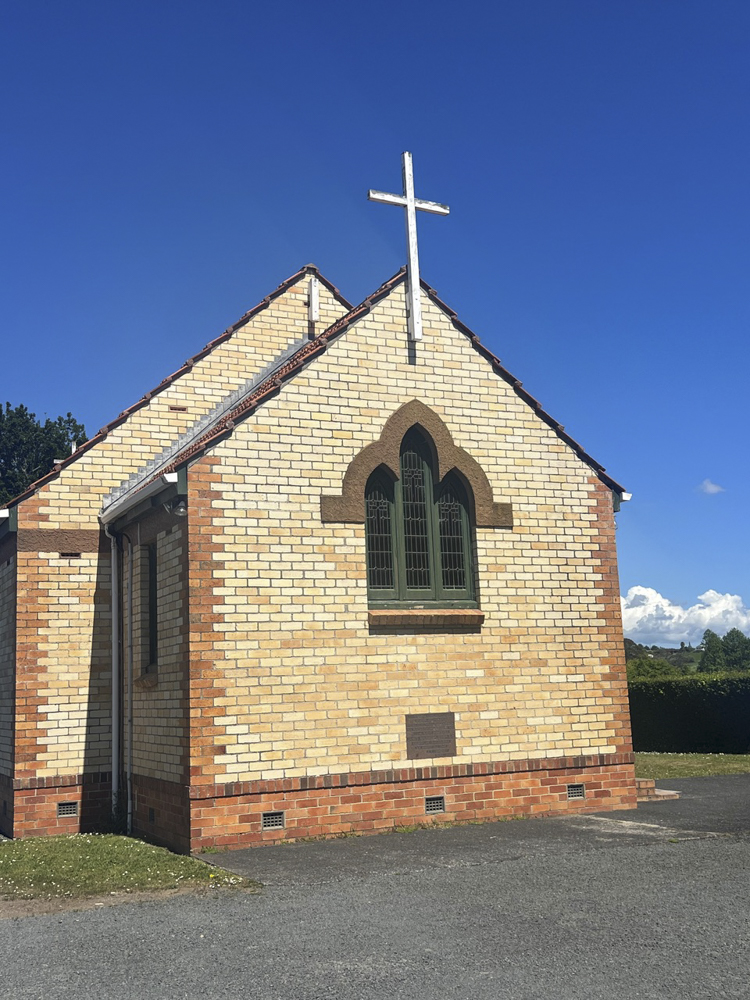
But it wasn’t always plain sailing for the early settlers looking to move out of draughty halls around the district and into dedicated churches. Battling post-depression scarce finances and then war constraints, the earliest church to be built was St Margarets Anglican Church in Waerenga Rd (next to the Community House).
St Margarets
In 1934 it became the village’s first dedicated church, enabling the congregation to move into a permanent home. It was dedicated ‘free of debt’ – a testament to local generosity in donating land, materials and labour to build the church. Funding came from community dinners, debutante balls and pledges, and in donations of stock to raise and sell to ensure its future.
St Margarets is noted as having ‘ high architectural significance as a mid century ecclesiastical building in the Gothic revival stye. The work of Auckland architect Charles Towle, it was described as a modern version of a Selwyn church, reflecting those designed during Bishop Selwyn’s tenure as Anglican Bishop of NZ in the mid 1800s
Our Lady Queen of Peace
Nearly ten years later, Our Lady Queen of Peace Catholic Church (next to the ambulance station) became the village’s second church. Land was donated by the ever-generous Keith family, creating Baird Rd, the church site – and ultimately the ambulance station.
The church was built for 14,000 pounds (or over $320,000 in today’s money). Its grand opening in 1941 saw visitors from Huntly who attended Mass, Benediction then a slap-up afternoon tea in the Te Kauwhata Town Hall. Like St Margarets, the church began life freehold and open to serve the community.
St Andrews
The latecomer to the trio was St Andrews Presbyterian Church in Scott Rd. Bordering onto the Domain, the church’s rural setting was a drawcard (particularly for children letting off post-church steam in the nearby domain).
Clergy came from the Papakura District as far back as the 1880s, then, later, services were conducted in the railway sheds and later in the Town Hall. Opened in 1954, St Andrews cost a modest 10,000 pounds, and in the early days, attracted an American reverend, and housed a new Hammond organ.
St Andrews was also strongly supported by Sir James Fletcher who encouraged the building of the church, a youth centre and manse. St Andrews continues to operate an Op Shop in the Main Rd, which contributes to its maintenance and upkeep.
For a small village, Te Kauwhata is rich in history, not only in its buildings but also in the generosity of its residents in the thirties through to the fifties. Their foresight and generosity has enriched the tapestry of the history of Te Kauwhata.
by Anna Bell